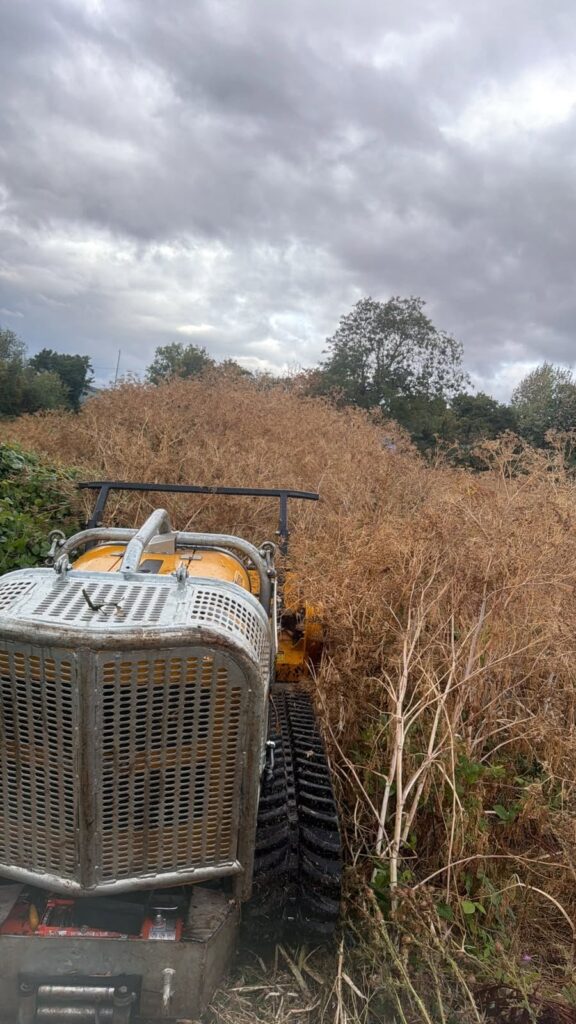
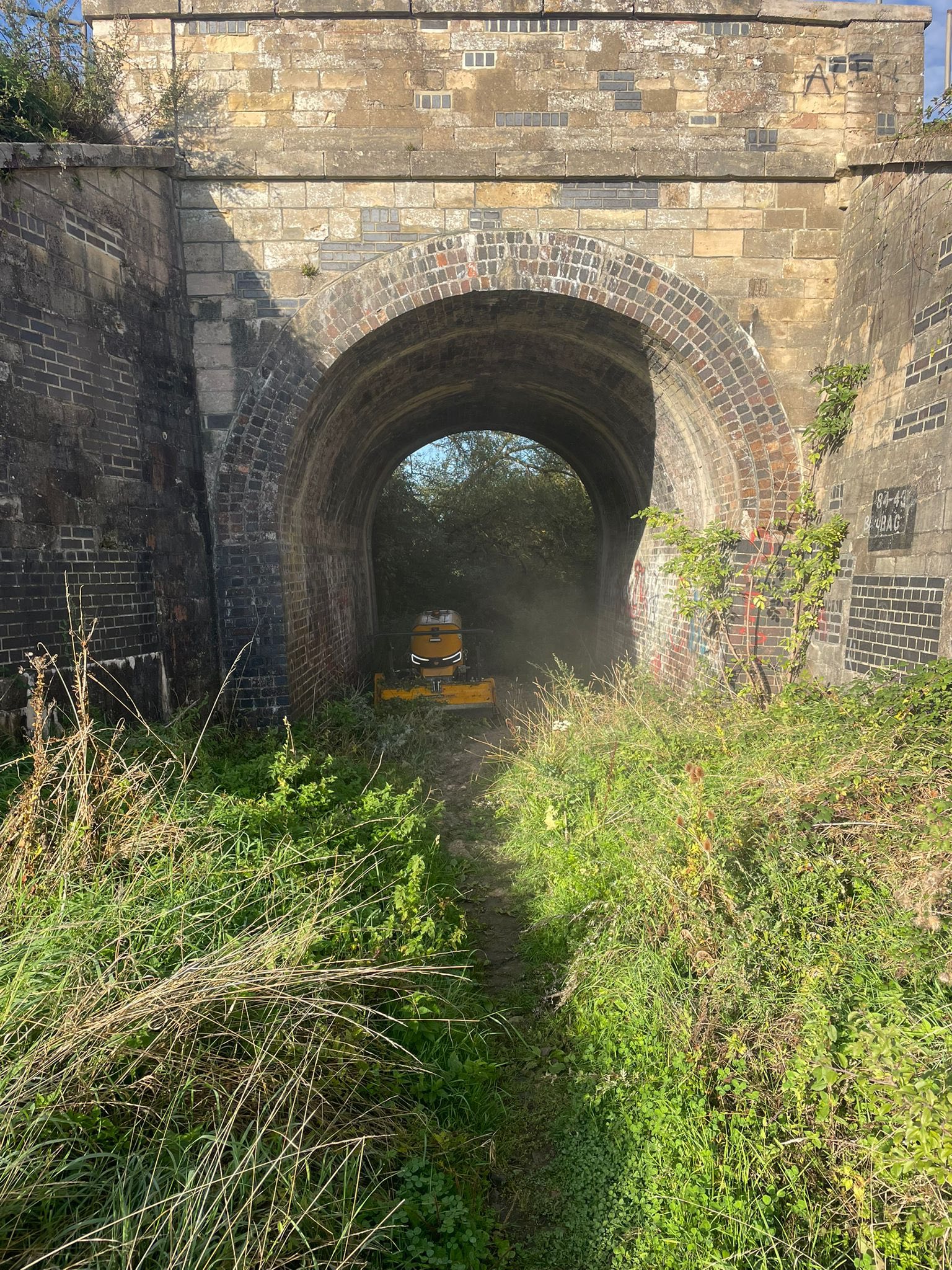
Somewhere in here is a gas pipeline apparently! Clearing the under growth before timber harvesting with our Robo Flail
Category: Scrub Clearance
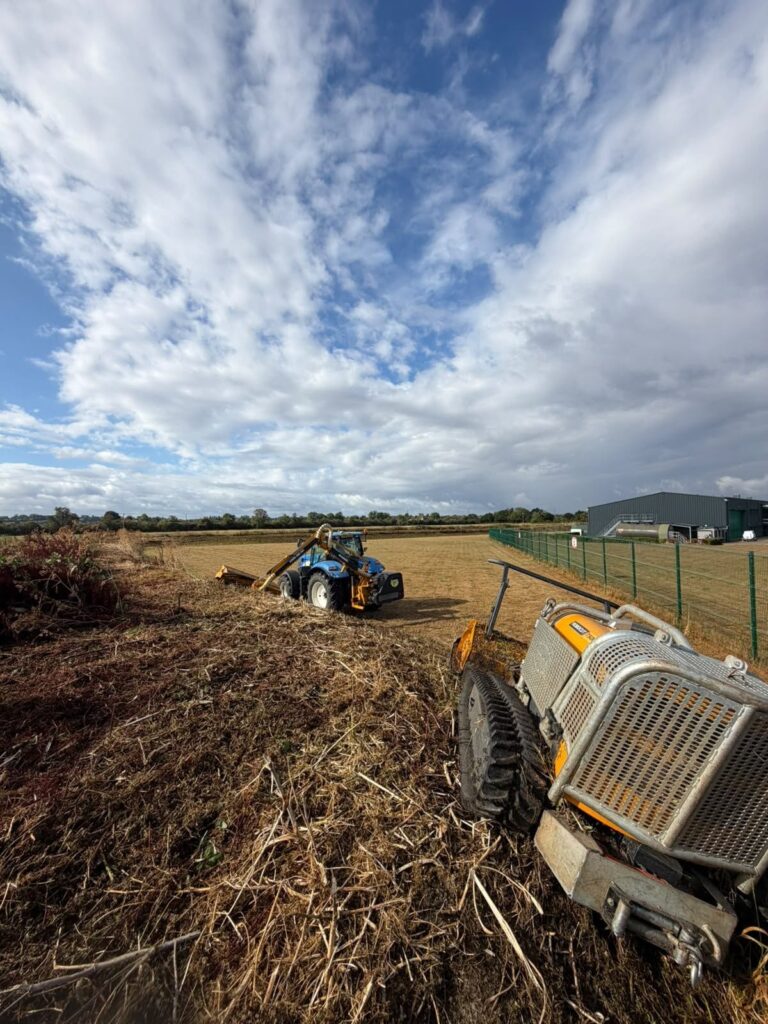
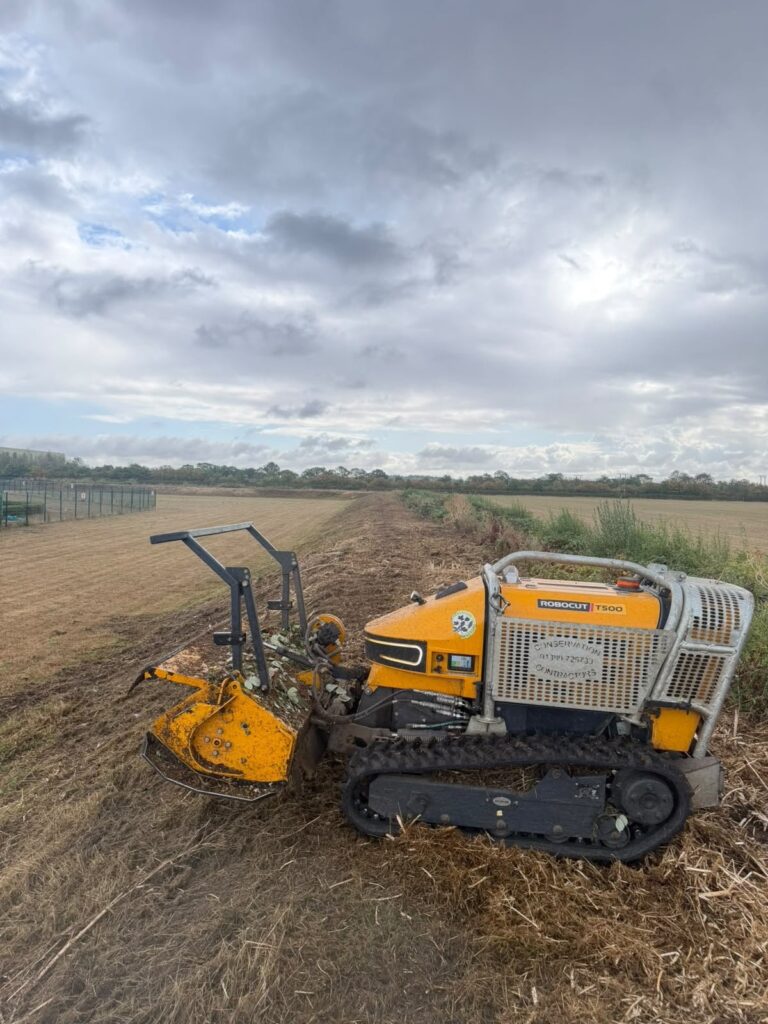
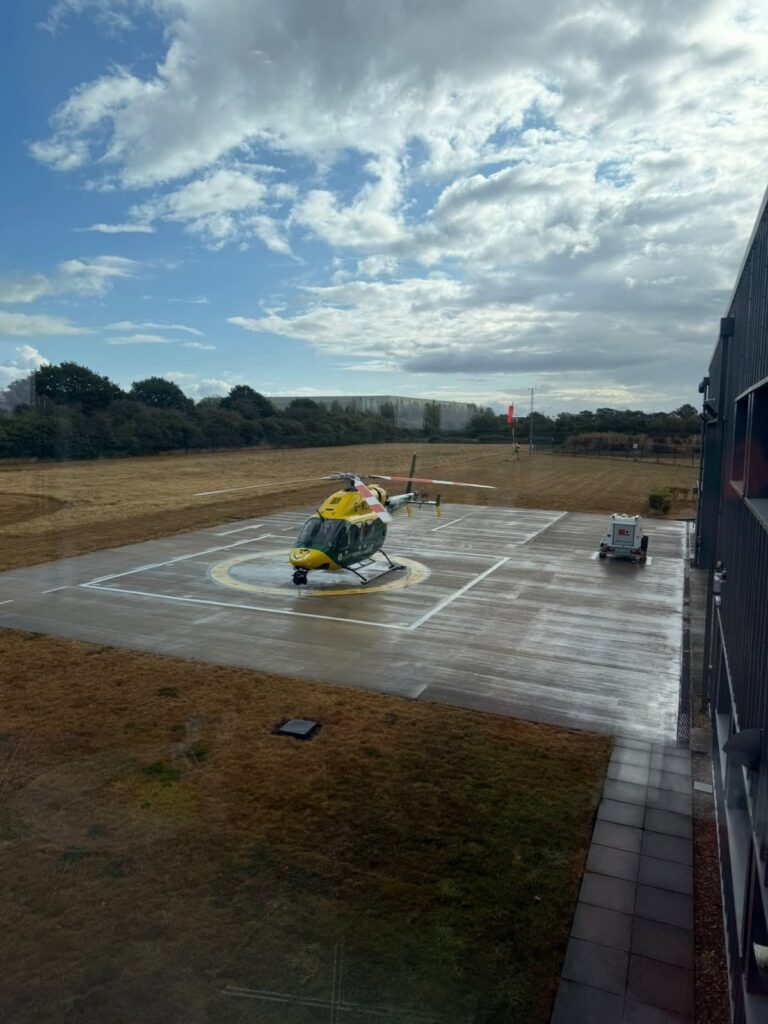
Robo Flail clearing at West Wiltshire Ambulance today
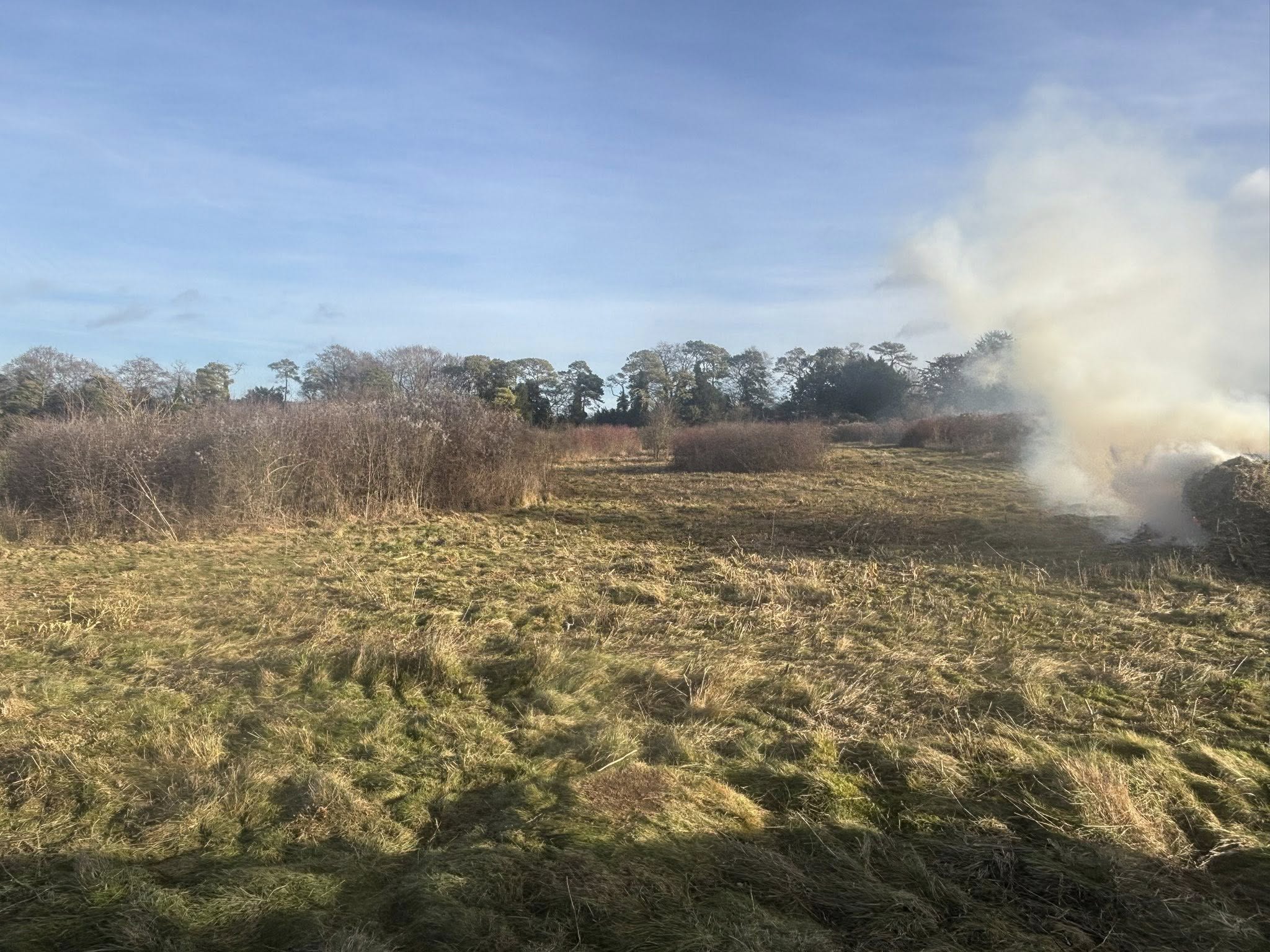
Something different today: clearing a bund at Wilts Air Ambulance and removing old weeds and leaving tidy for the “Summer at the Base Day” on Saturday 22nd August..
A bund is simply a mounded-up area of earth that can serve many purposes – it can cut down wind, noise, and visual disturbance, and create a ‘softer’ look. And it can of course come from building works to save removing material from site!
Look what Mark found while clearing. Ash trees last week
Look what Mark found while clearing. Ash trees last week
(Feb 2026)
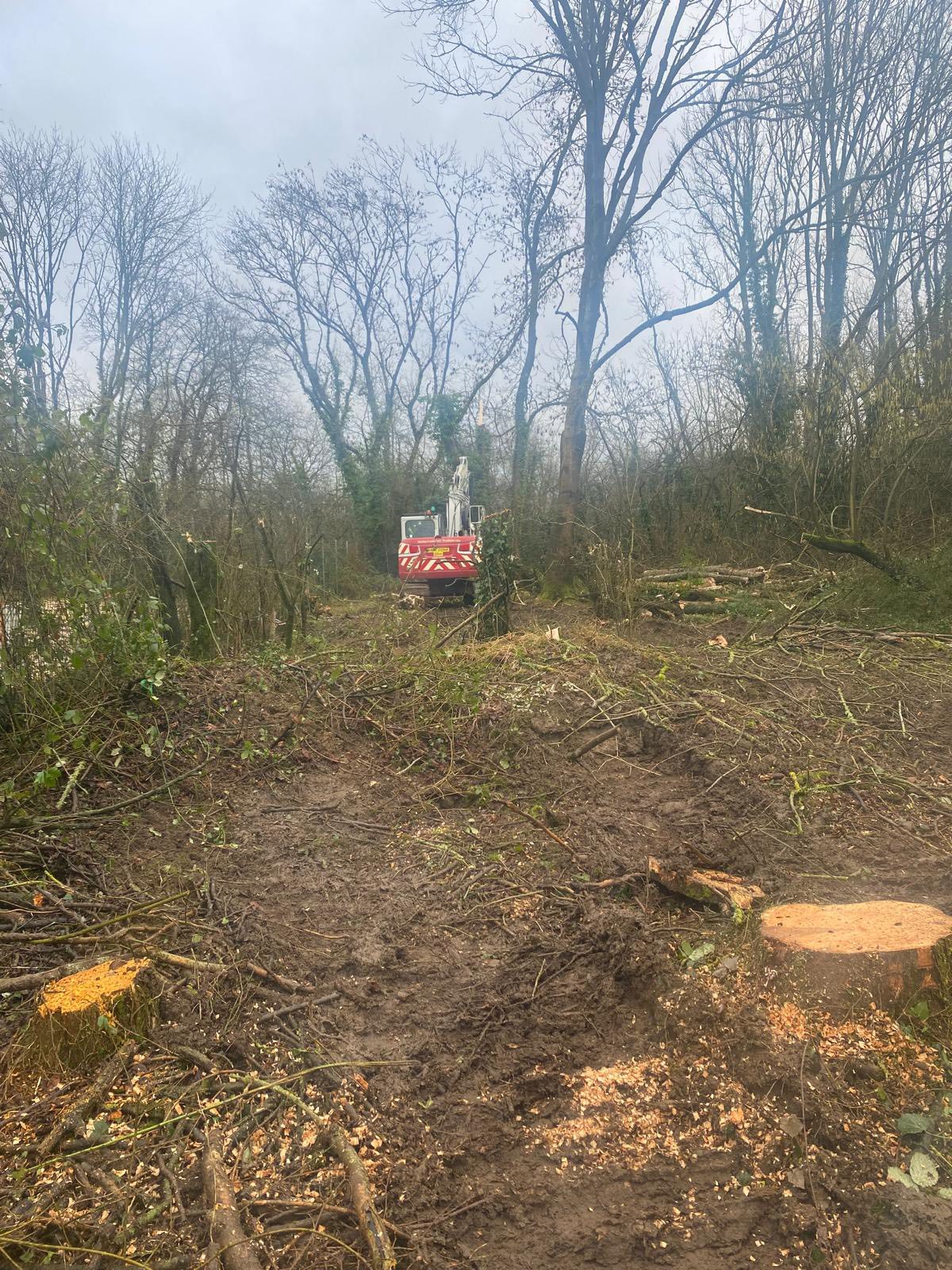
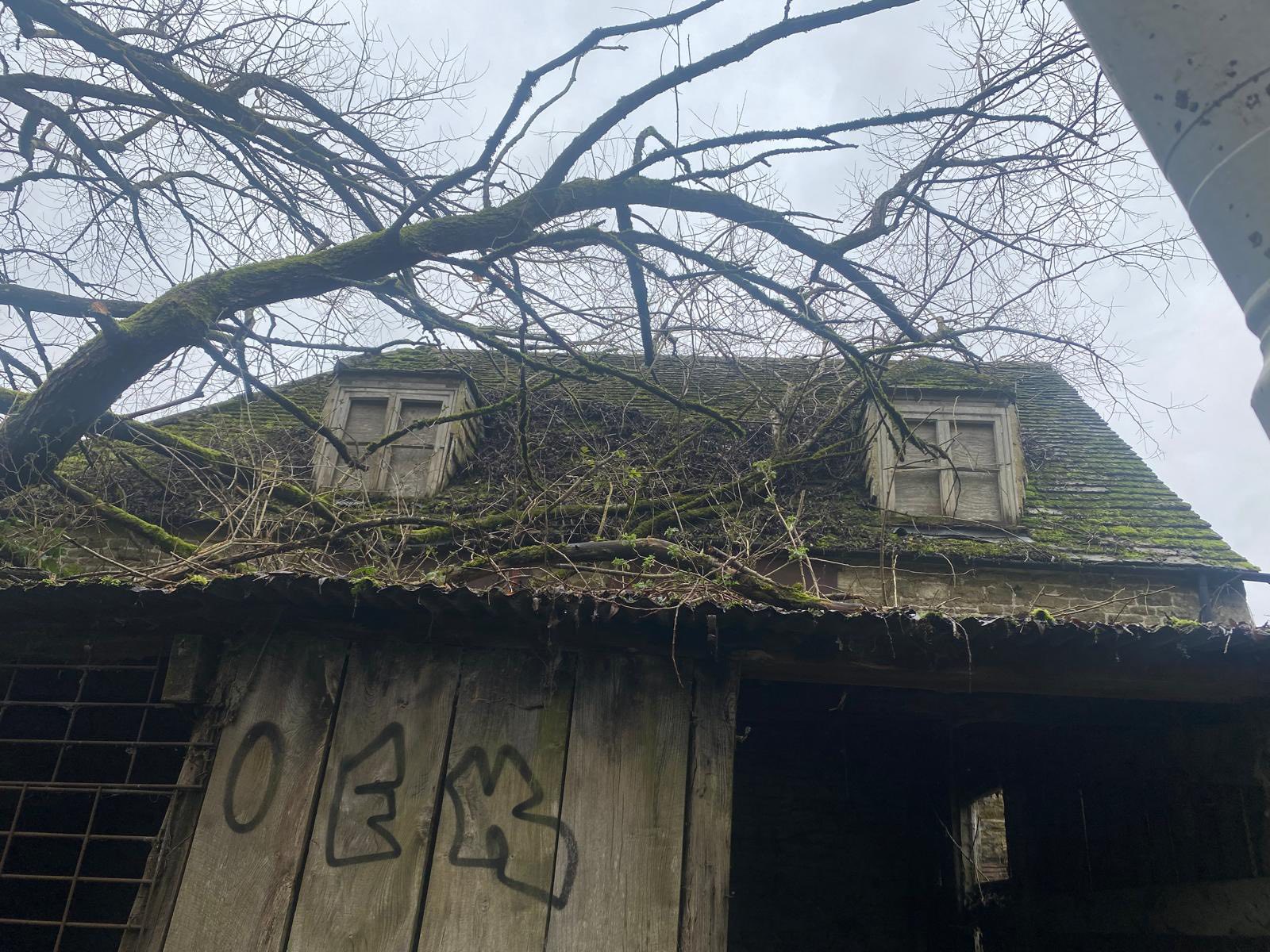
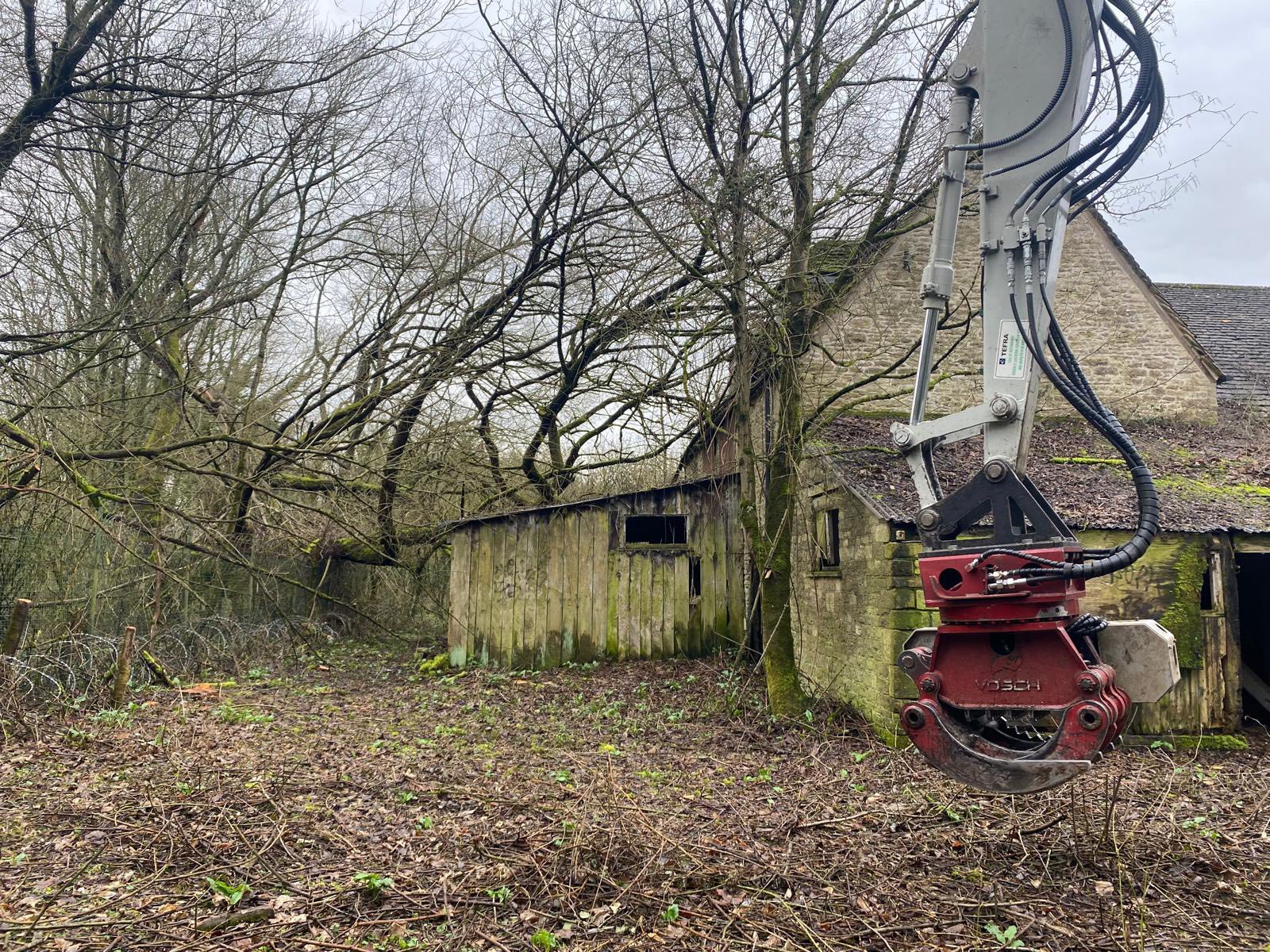
Remote-controlled, tracked RoboFlail clearing big bramble near Bath
Charlie and the RoboFlail clearing big bramble near Bath as part of a BNG program to plant 60 fruit trees
I hope the winch won’t be needed!
See more details of our work with
The RoboFlail clearing heavy bramble and scrub near Salisbury
The RoboFlail out, clearing heavy bramble and scrub near Salisbury.
The sun came out eventually 🙂
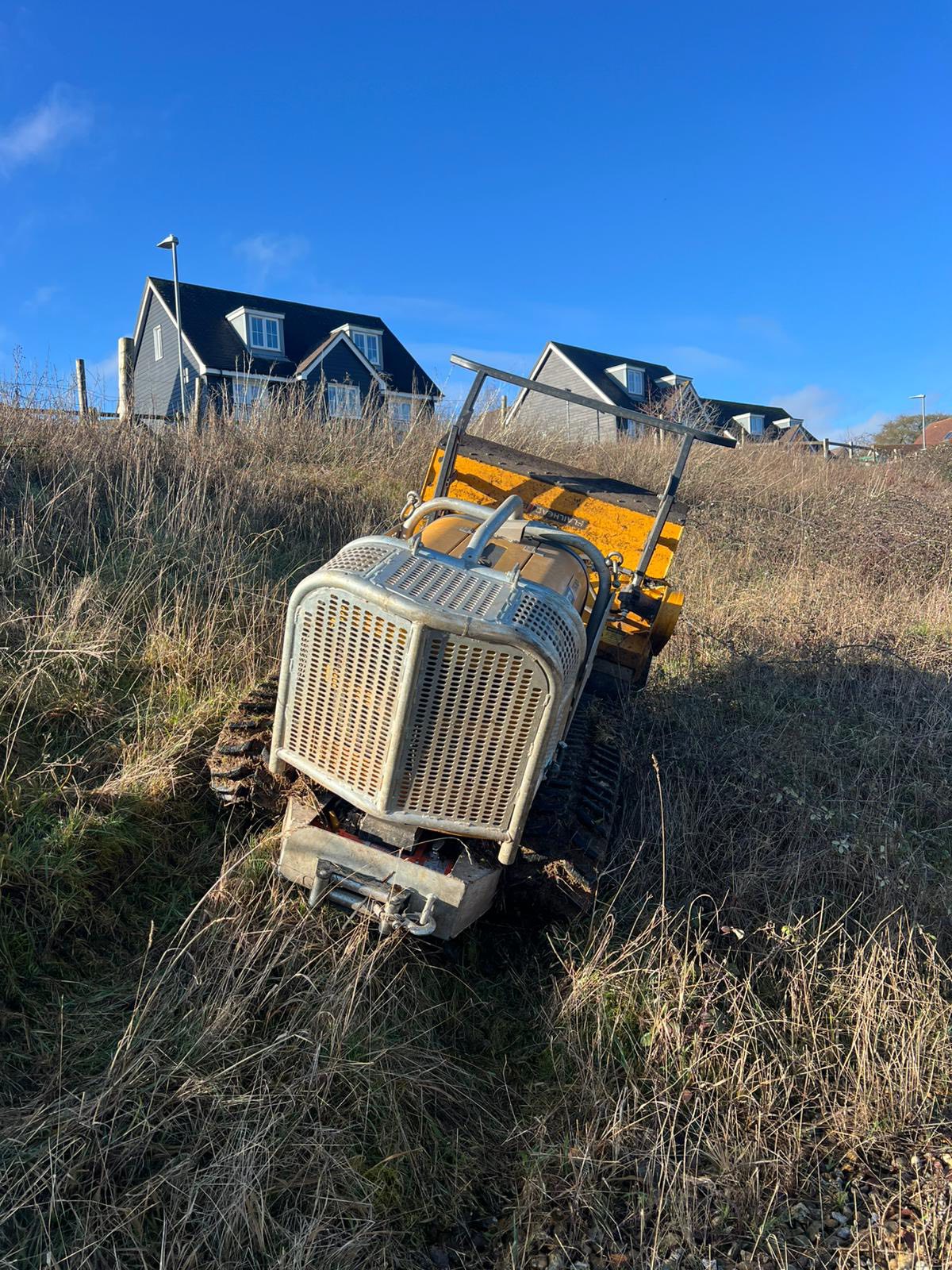
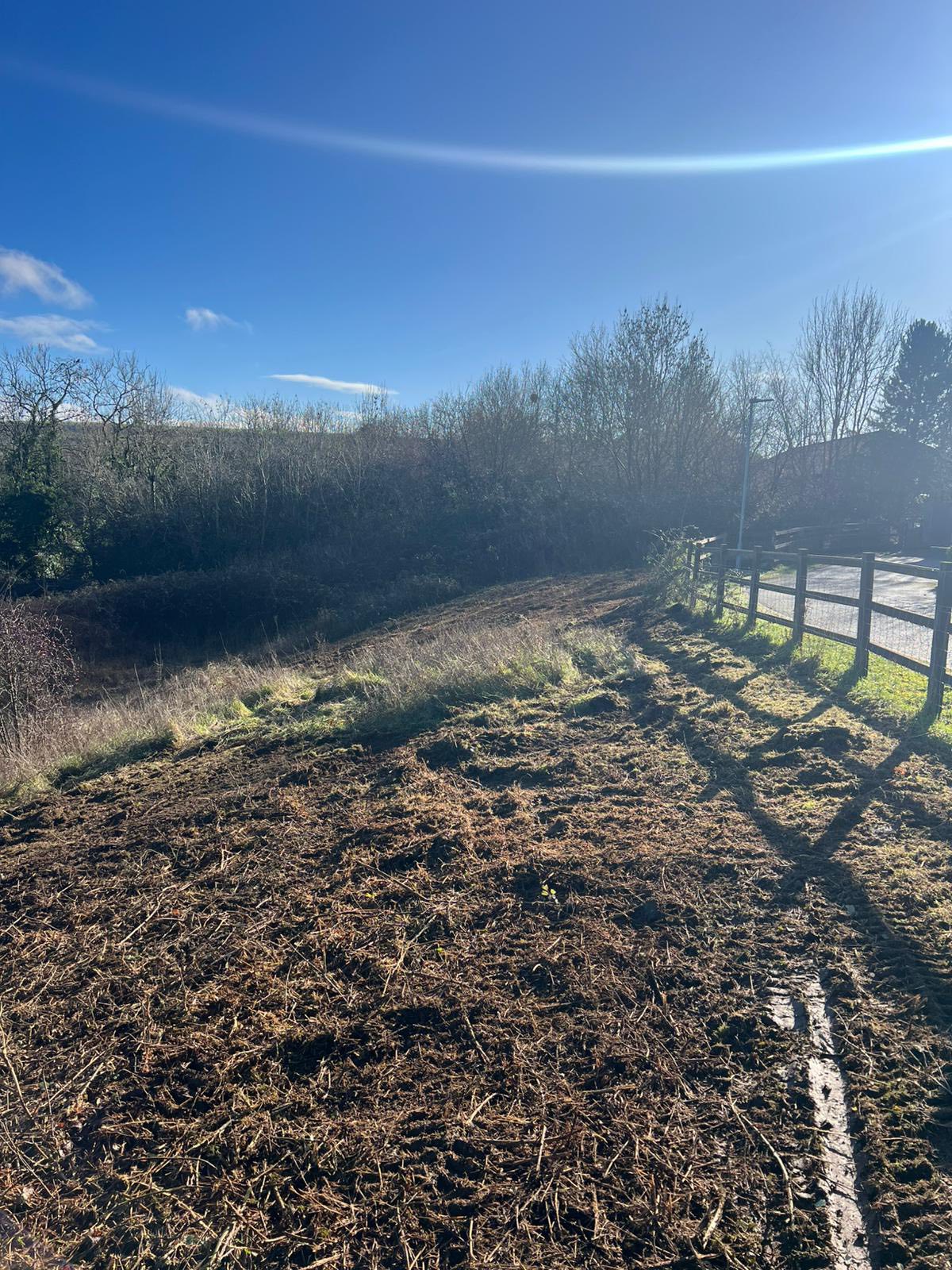
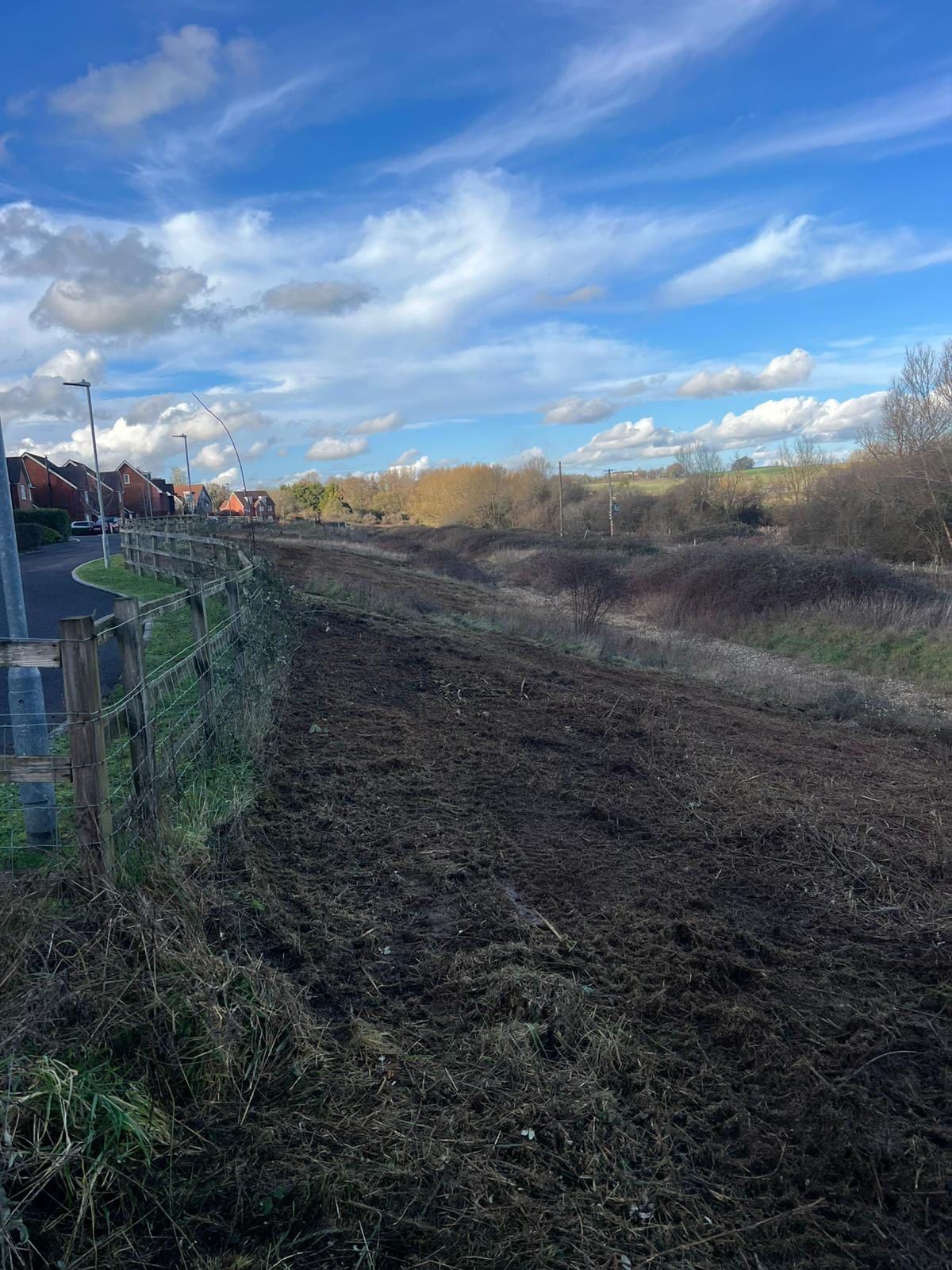
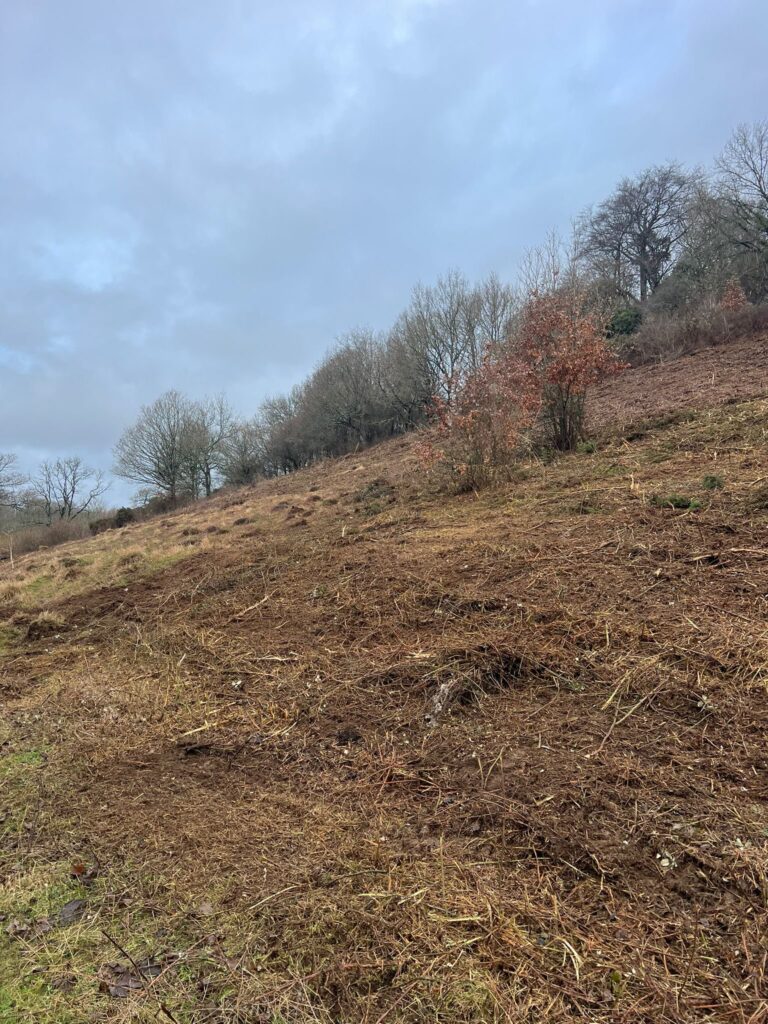
RoboFlail out busy this week clearing scrubby banks near Castle Combe
Charlie with the RoboFlail is busy this week, clearing scrubby banks near Castle Combe as part of a grassland restoration project.
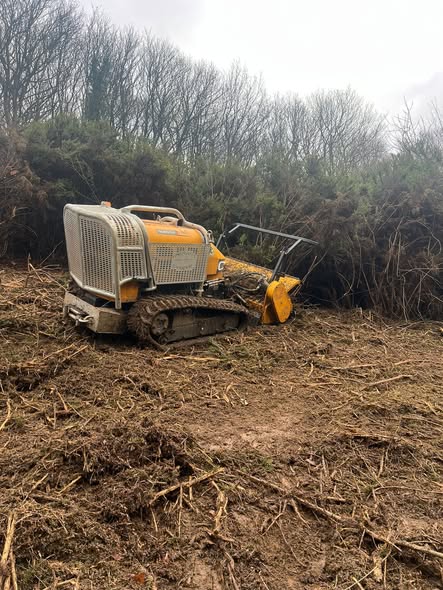
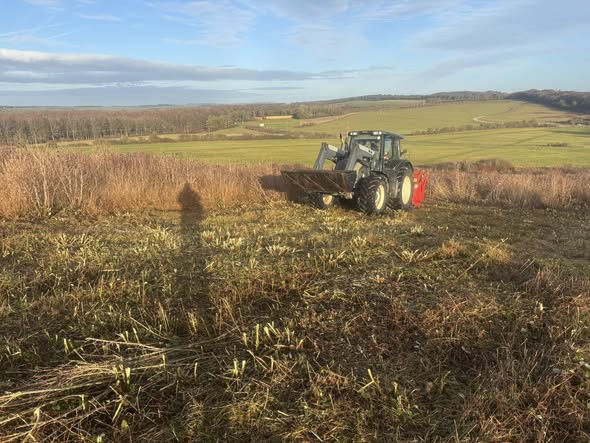
Cut and collect flail working well
Here, the video shows the Valtra 121 is fitted with a cut and collect flail to clear 5-year old scrub regrowth to help the chalk grassland and nearby Juniper. The site was cleared 5 years ago. The ability of the machine to collect the cut materials prevents the nutrient level from being raised in the soil. This helps with chalk grassland and wildflowers as they prefer a low level of soil fertility to prevent being outcompeted by other species.
And the pics show Toby out on the cut and collect flail clearing scrub as part of chalk grassland management
Scrub clearance – mulching
Erecting a new fence? First, you need to find the one you are replacing…. (happily made easy with the RoboFlail!) (pic 1)
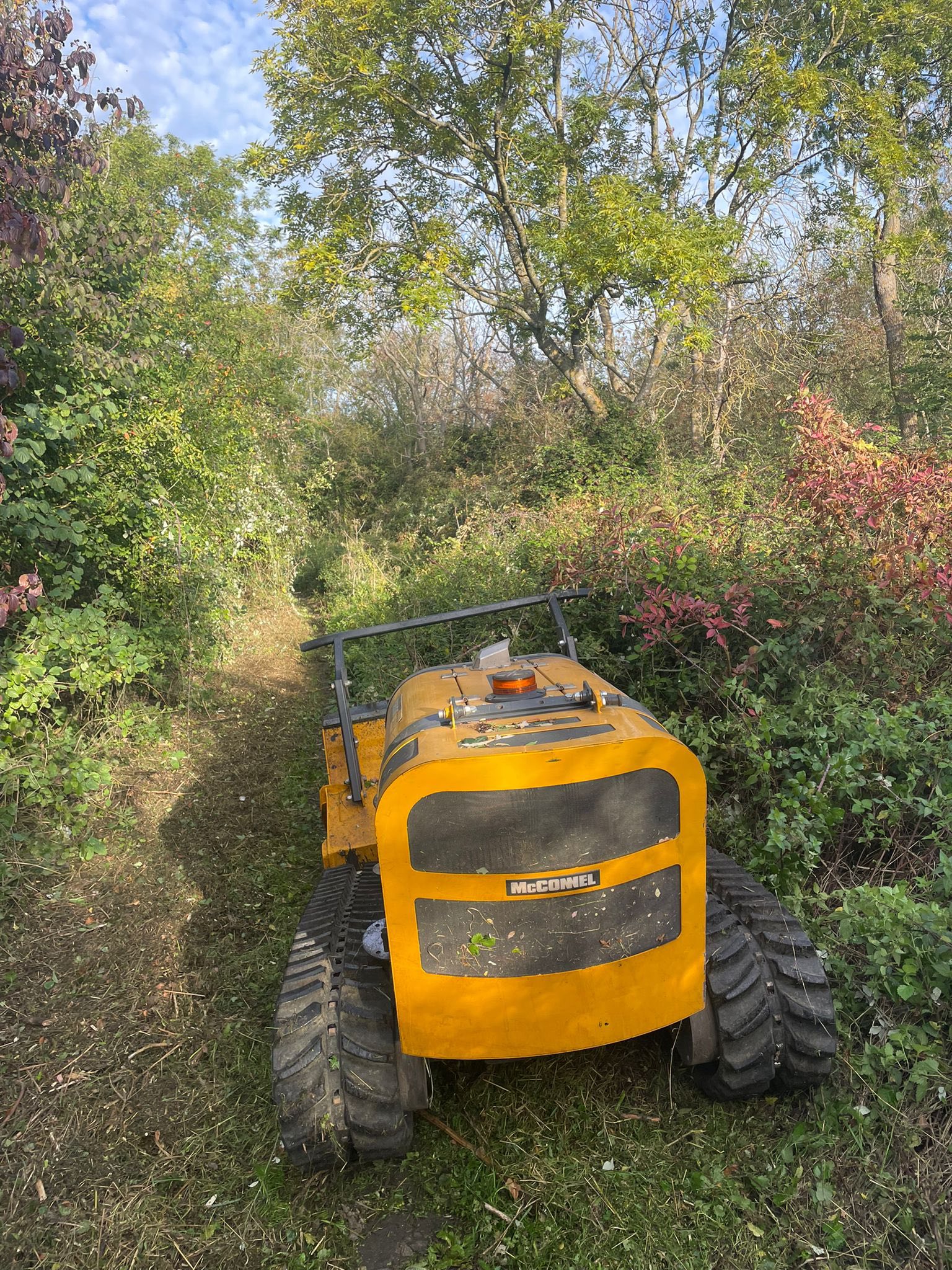
And the RoboFlail out and about in Cheltenham at the end of September. (pics 2 & 3)
And if you thought we had pensioned off our other mulching machinery, see our ‘proper’ Seppi mulcher out mid-August, clearing an area for ground investigation (no sound with this video)
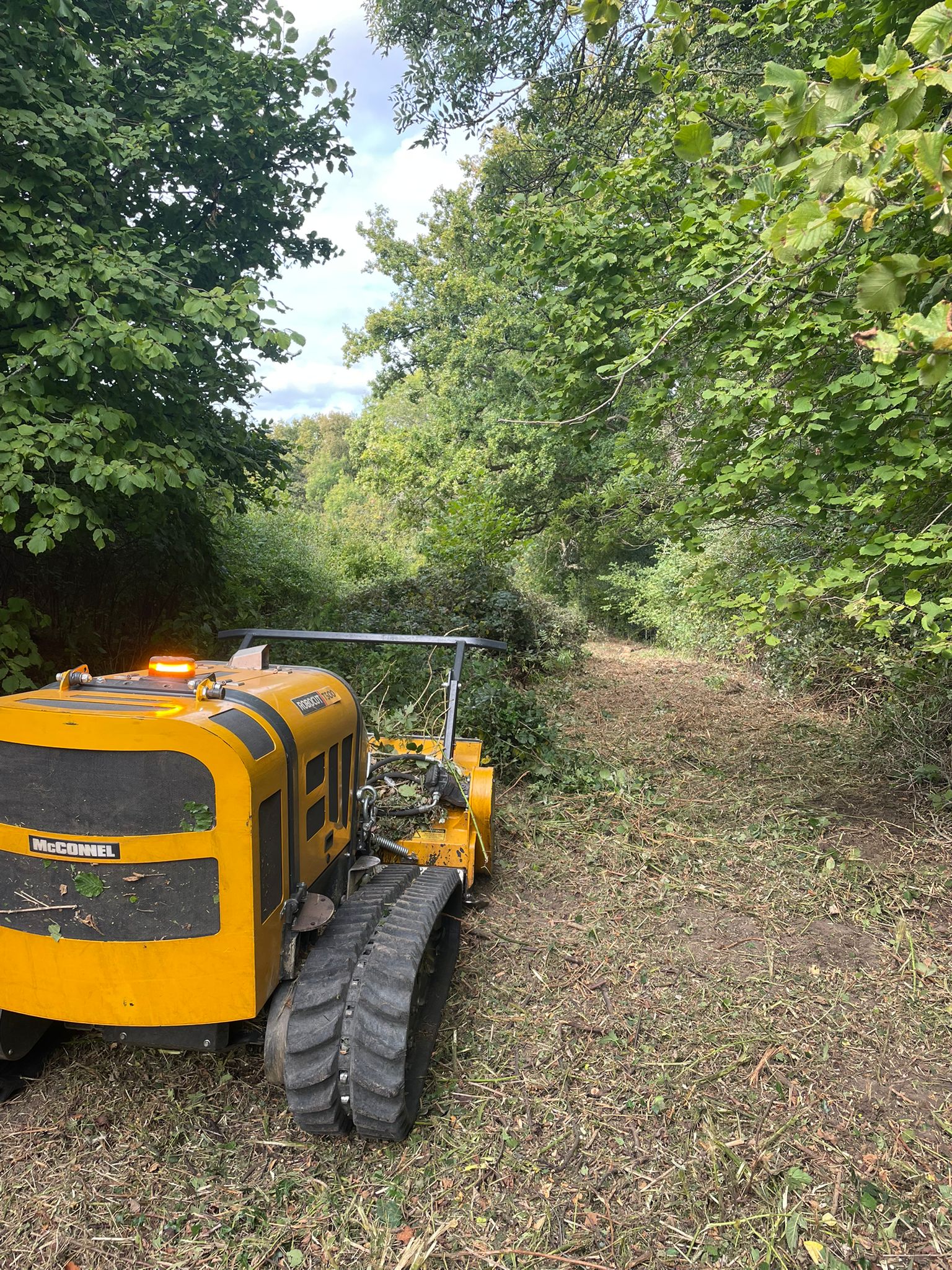
Proper Seppi mulcher out today clearing an area for ground investigation
For other examples of our scrub control/mulching work, please see here
Scrub Clearance with the RoboFlail
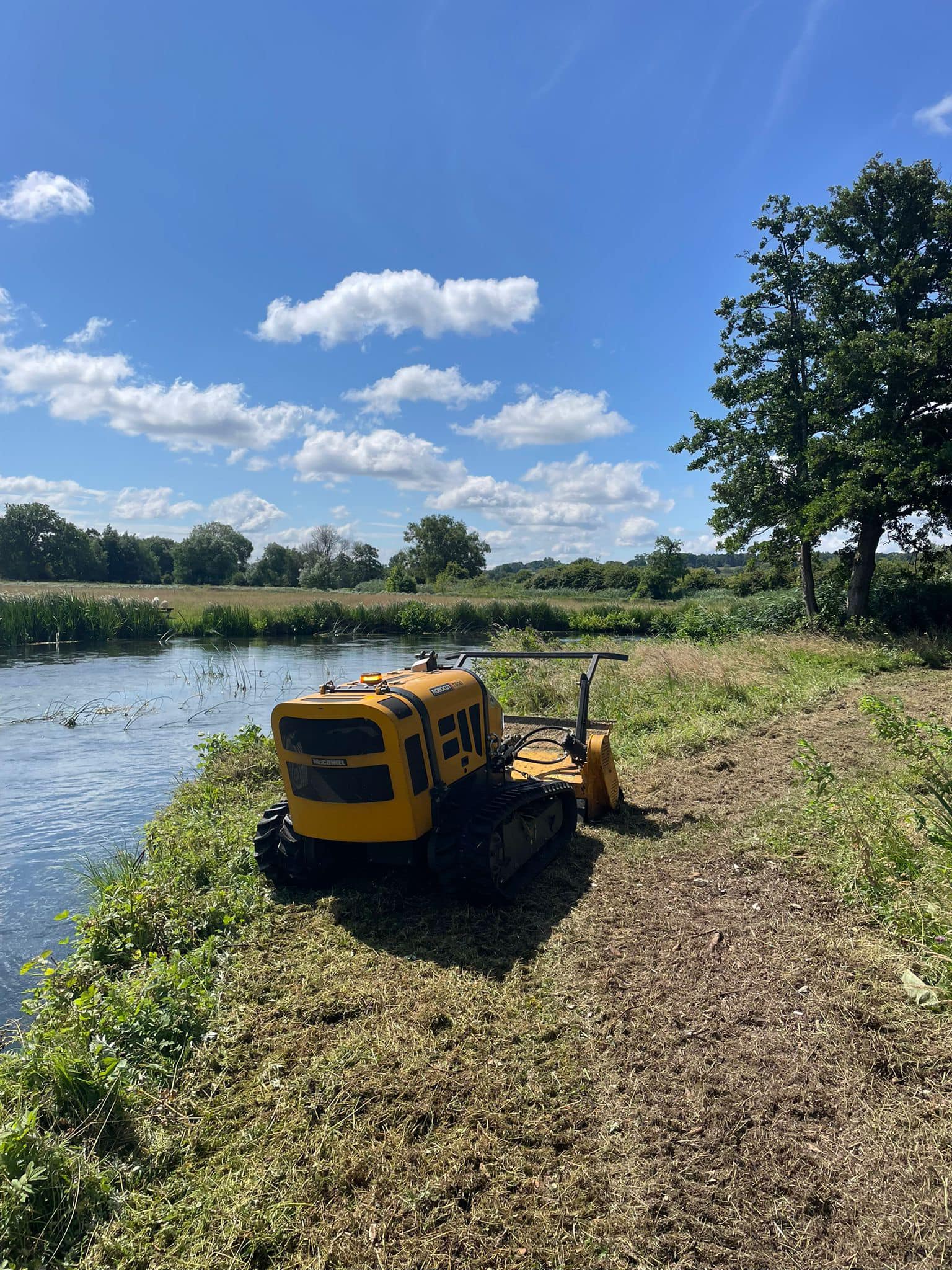
The RoboFlail clearing paths alongside the River Test
Our project here on this world-famous chalk stream was to clear the paths alongside the riverside for access and for fishermen.
From Wiki: “The River Test is a chalk stream in Hampshire. Much of the Test is a 438-hectare (1,080-acre) biological SSSI Site of Special Scientific Interest.[1][3] The river is used for fly fishing for trout from its source to its tidal limit”
For more scrub and mulch info, please click here