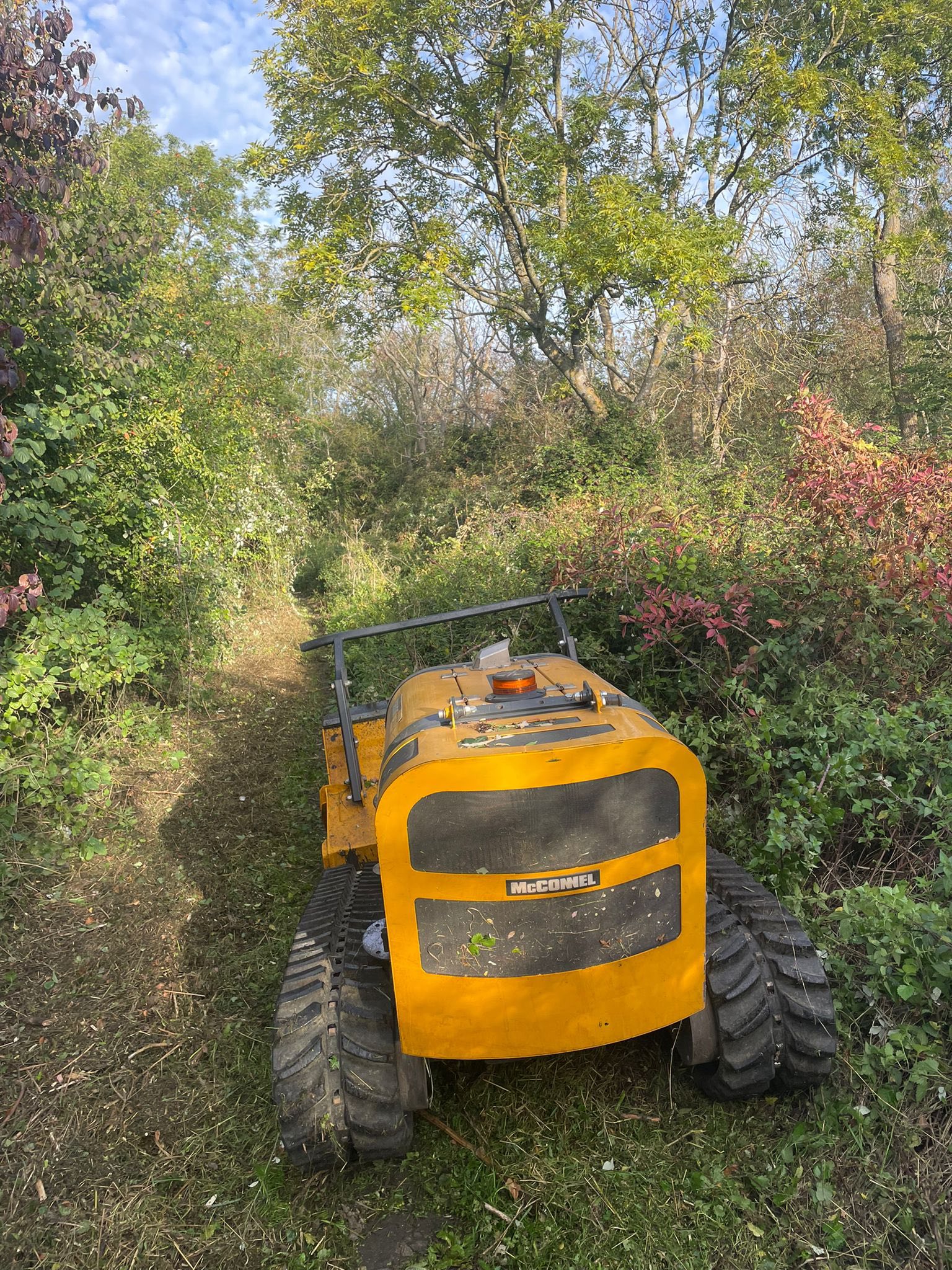
Somewhere in here is a gas pipeline apparently! Clearing the under growth before timber harvesting with our Robo Flail
Category: Mulching
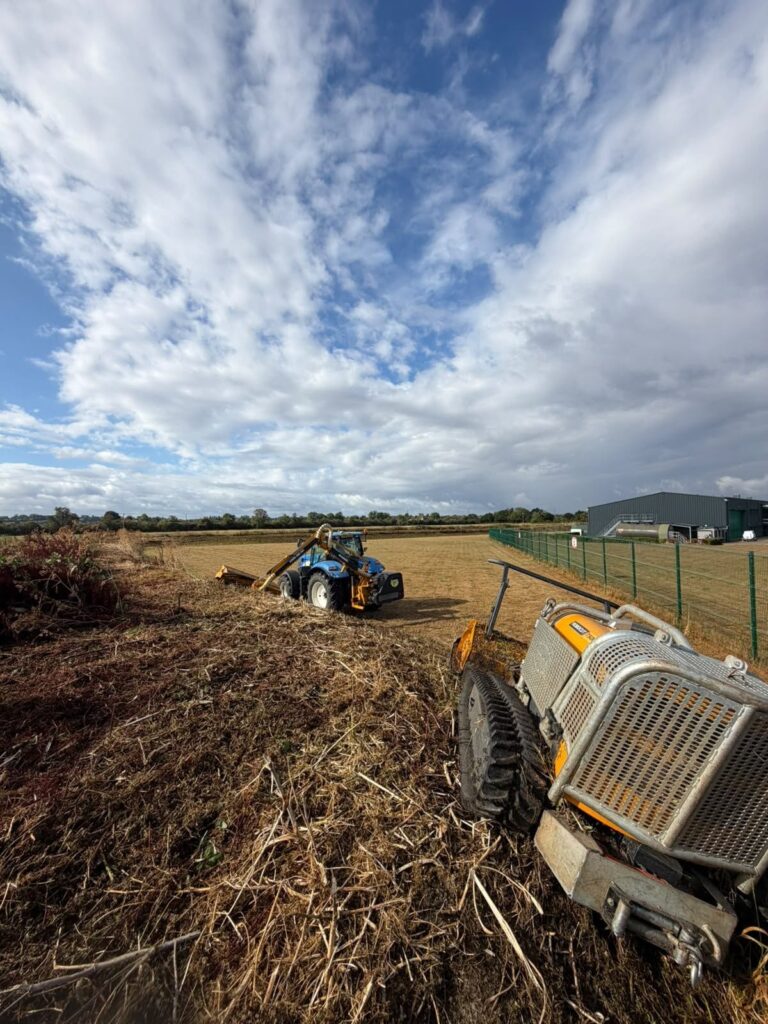
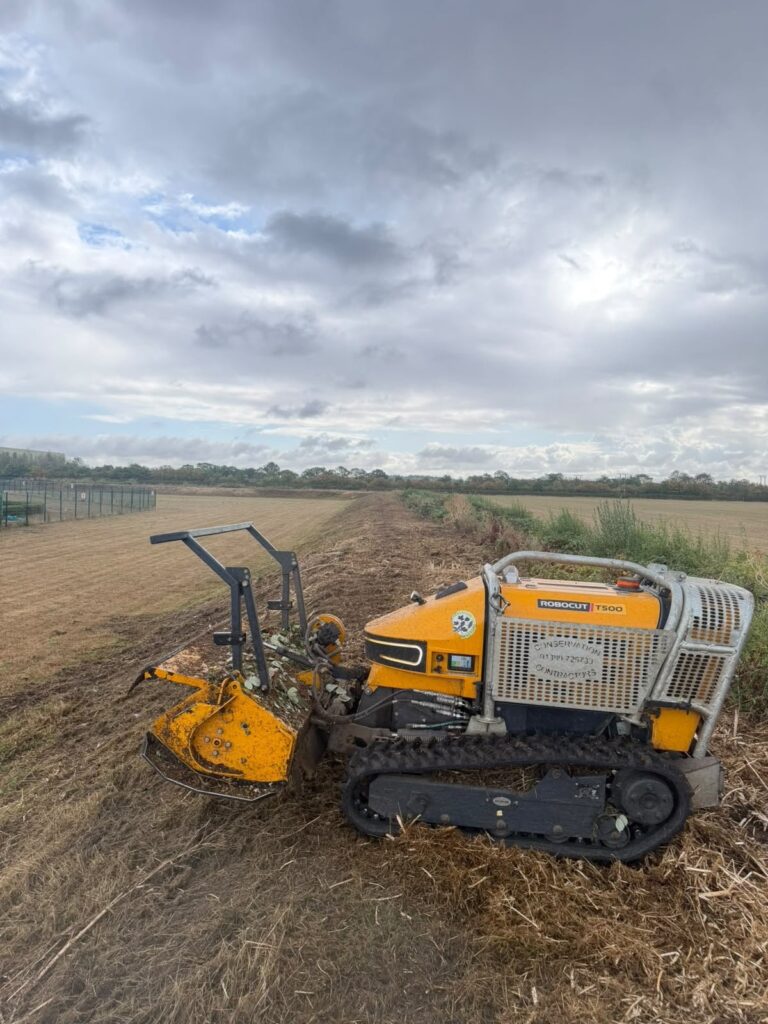
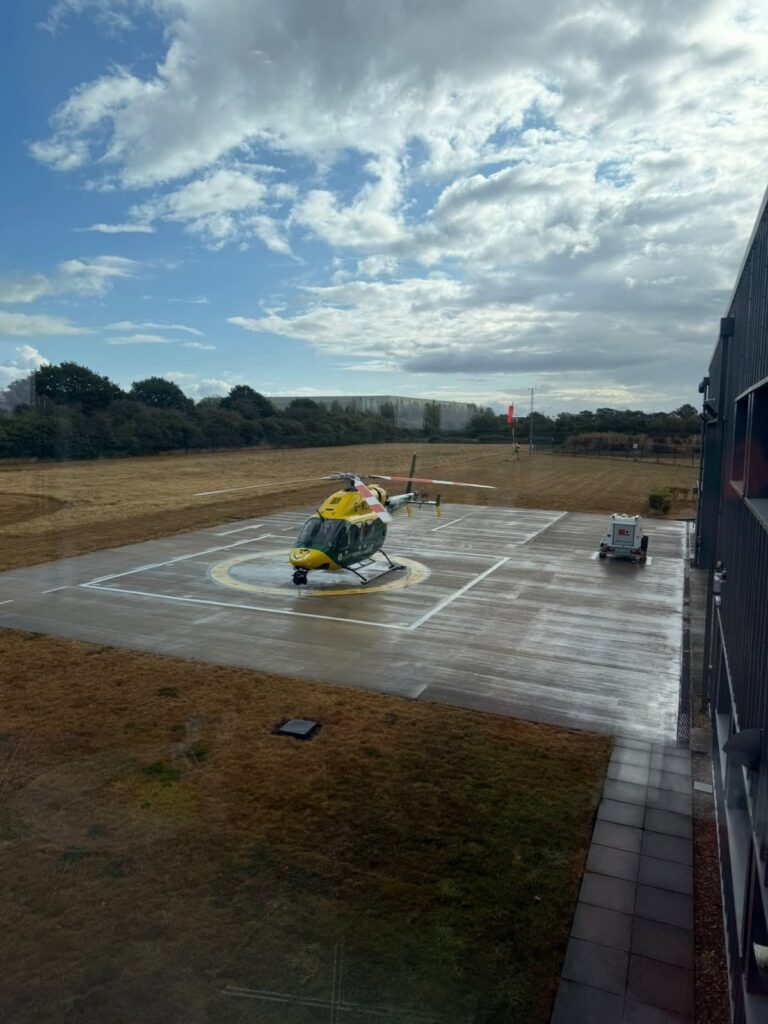
Robo Flail clearing at West Wiltshire Ambulance today
Something different today: clearing a bund at Wilts Air Ambulance and removing old weeds and leaving tidy for the “Summer at the Base Day” on Saturday 22nd August..
A bund is simply a mounded-up area of earth that can serve many purposes – it can cut down wind, noise, and visual disturbance, and create a ‘softer’ look. And it can of course come from building works to save removing material from site!
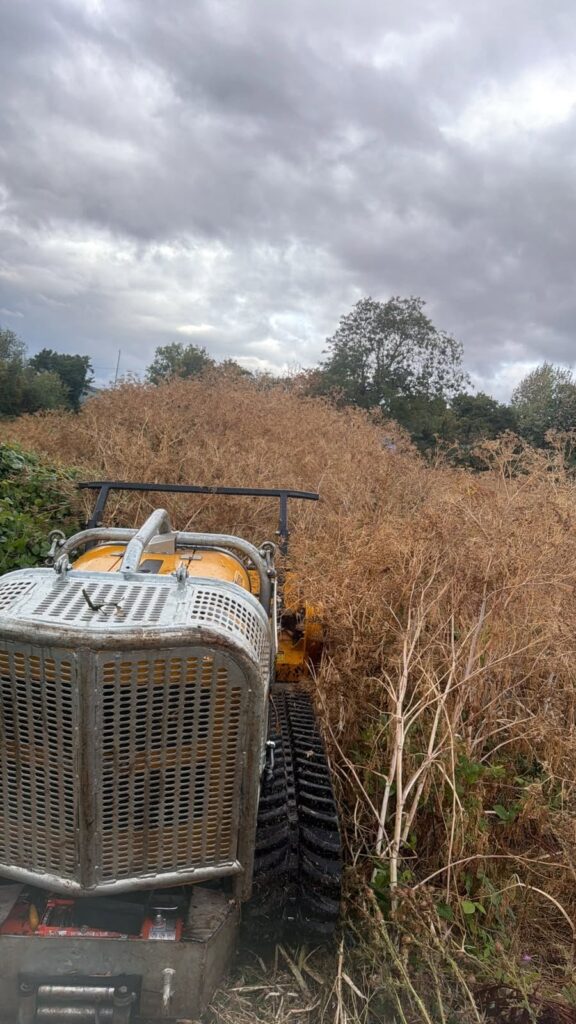
Remote-controlled, tracked RoboFlail clearing big bramble near Bath
Charlie and the RoboFlail clearing big bramble near Bath as part of a BNG program to plant 60 fruit trees
I hope the winch won’t be needed!
See more details of our work with
The RoboFlail clearing heavy bramble and scrub near Salisbury
The RoboFlail out, clearing heavy bramble and scrub near Salisbury.
The sun came out eventually 🙂
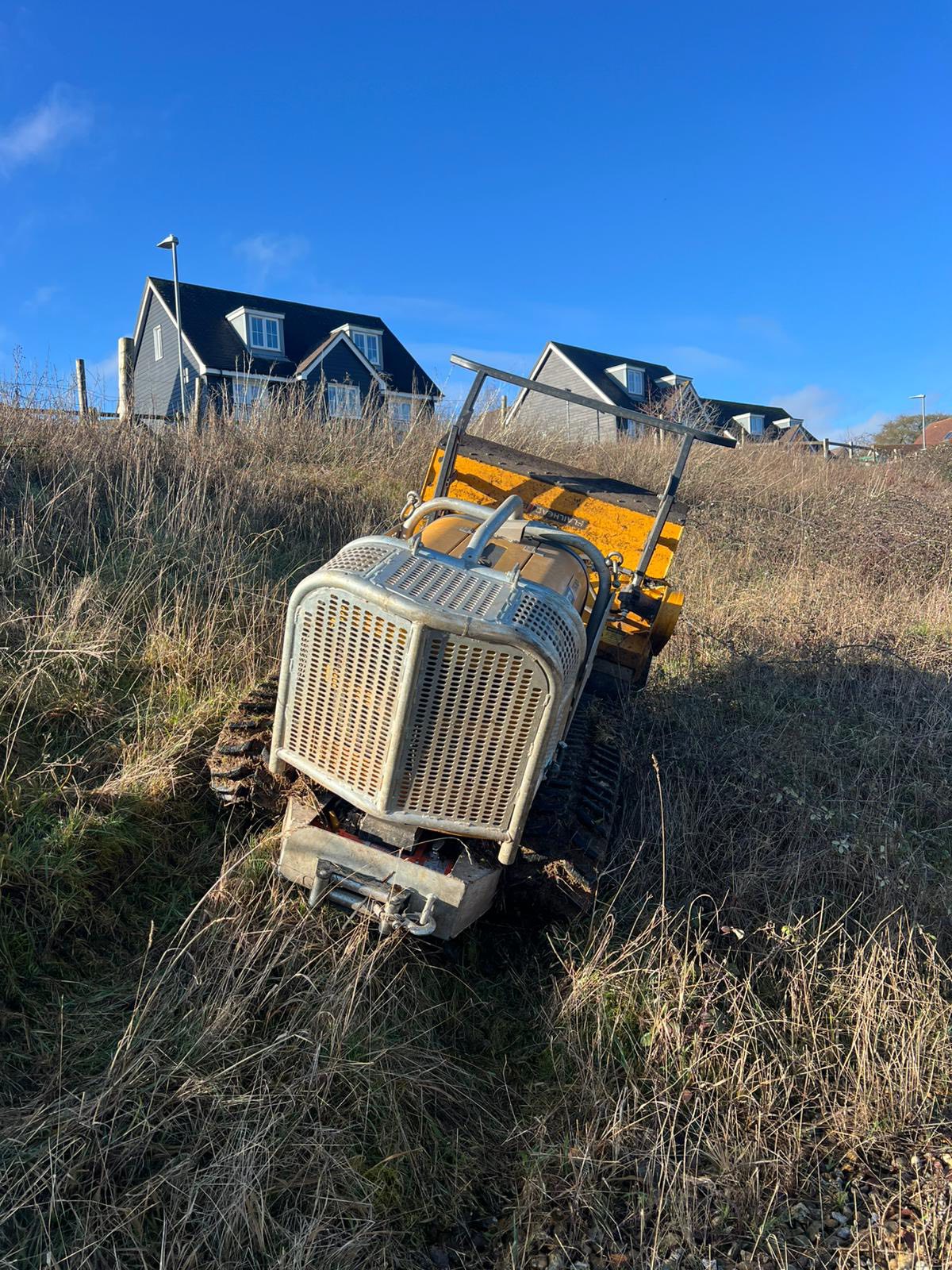
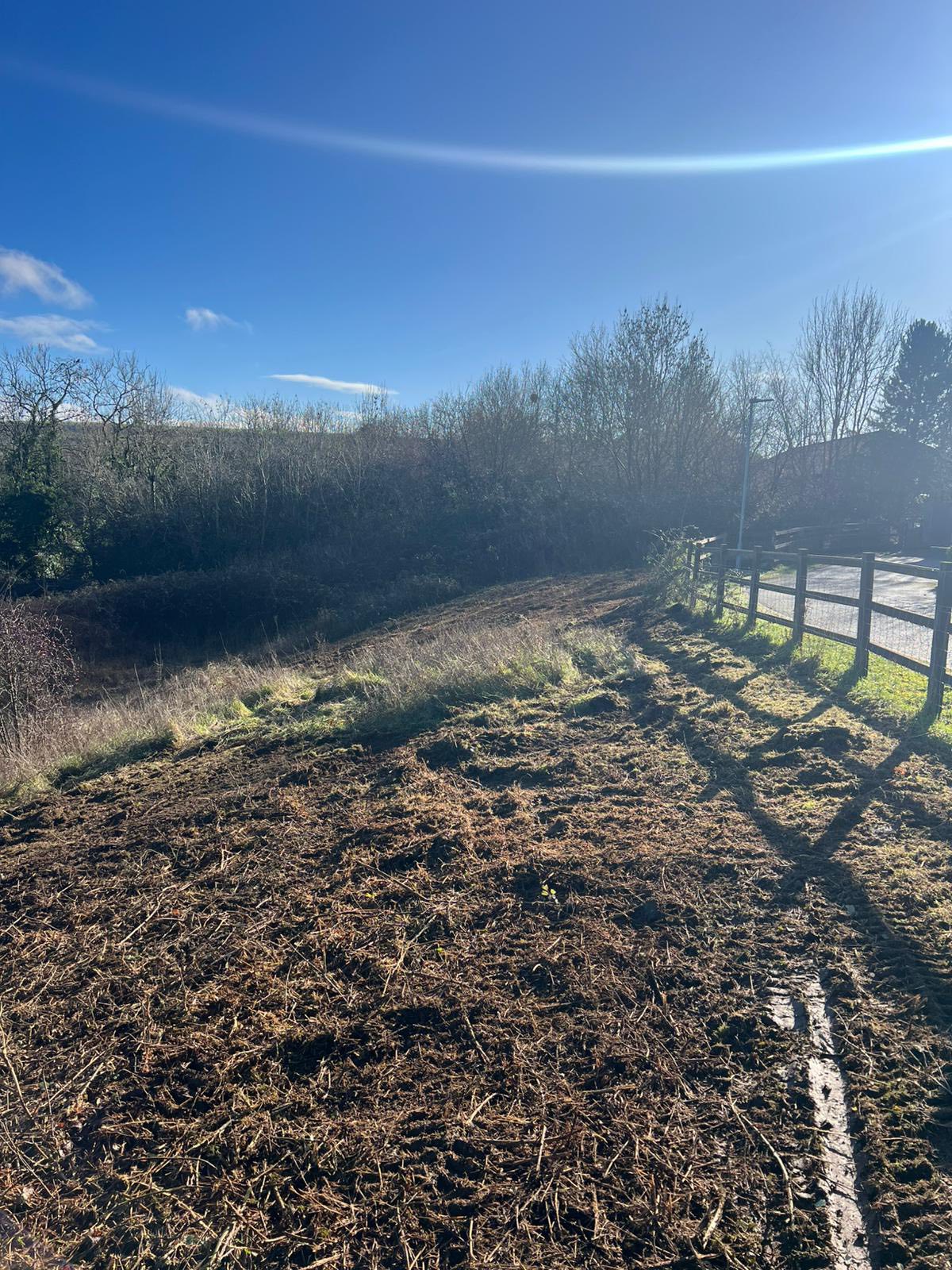
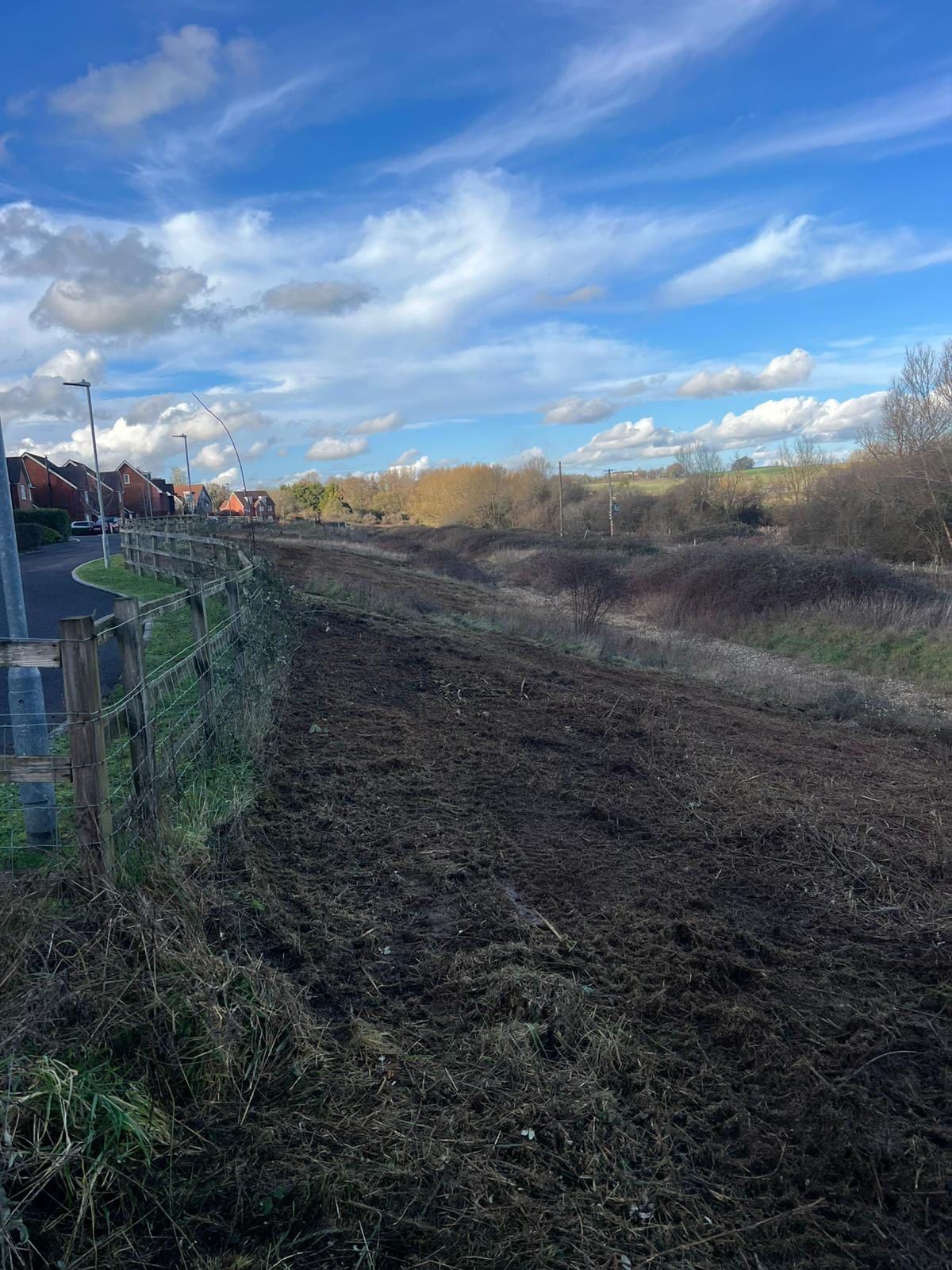
RoboFlail out busy this week clearing scrubby banks near Castle Combe
Charlie with the RoboFlail is busy this week, clearing scrubby banks near Castle Combe as part of a grassland restoration project.
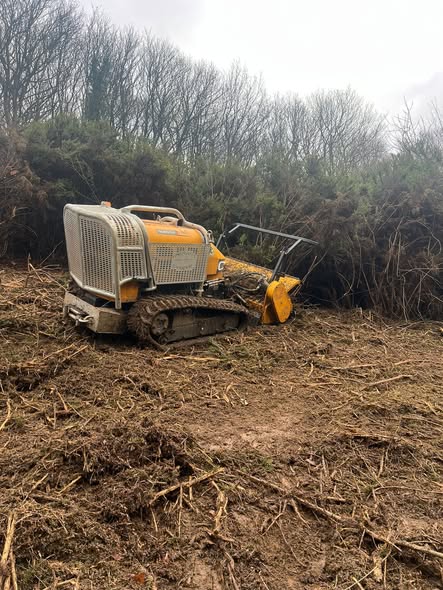
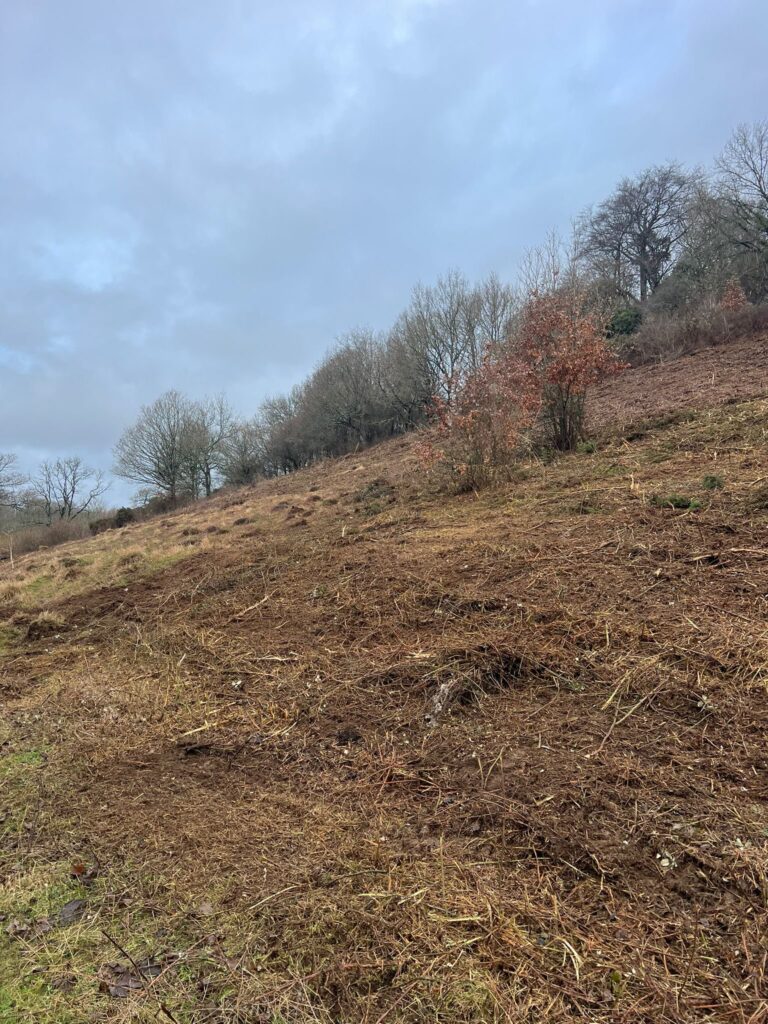
Scrub clearance – mulching
Erecting a new fence? First, you need to find the one you are replacing…. (happily made easy with the RoboFlail!) (pic 1)
And the RoboFlail out and about in Cheltenham at the end of September. (pics 2 & 3)
And if you thought we had pensioned off our other mulching machinery, see our ‘proper’ Seppi mulcher out mid-August, clearing an area for ground investigation (no sound with this video)
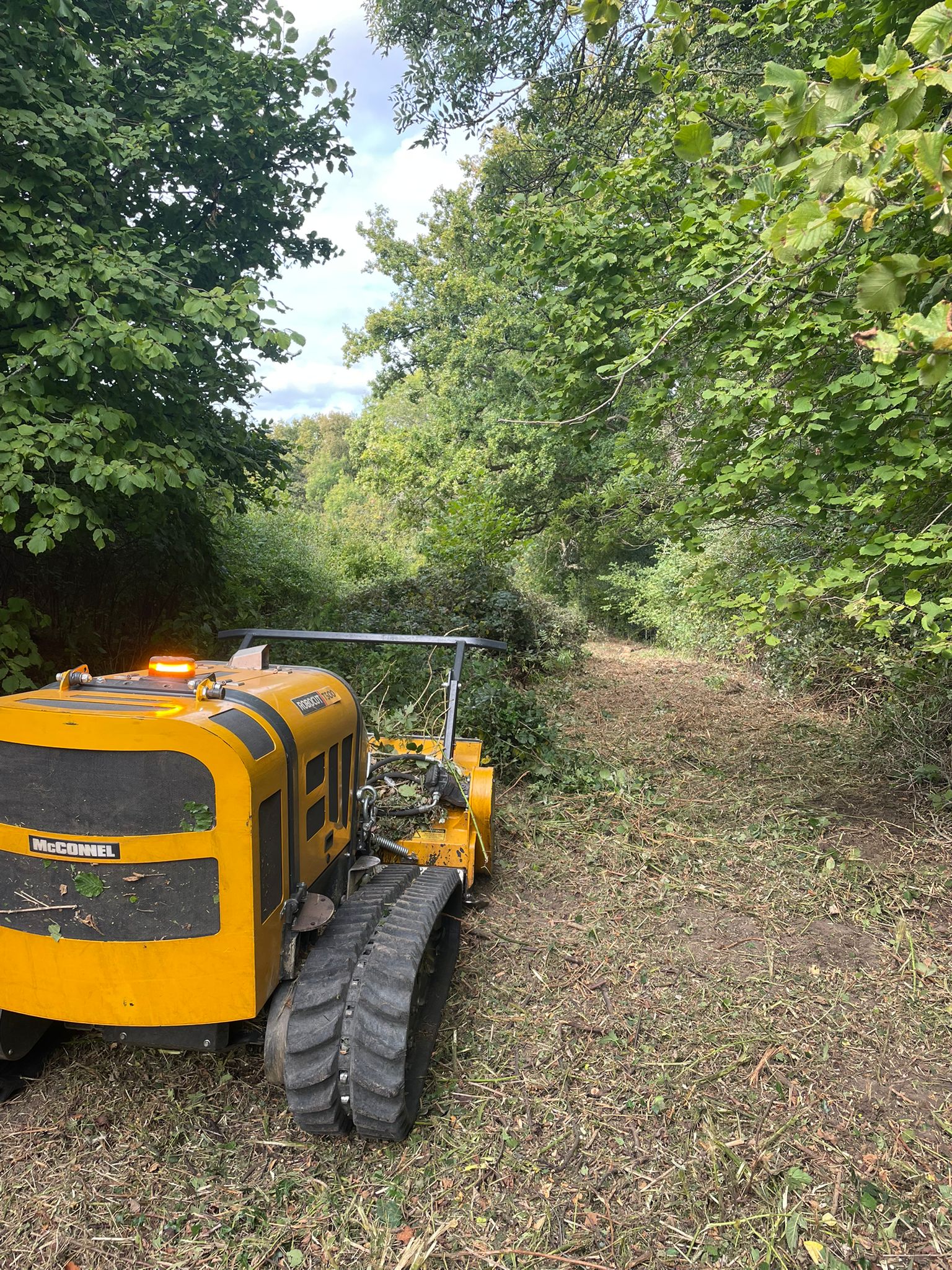
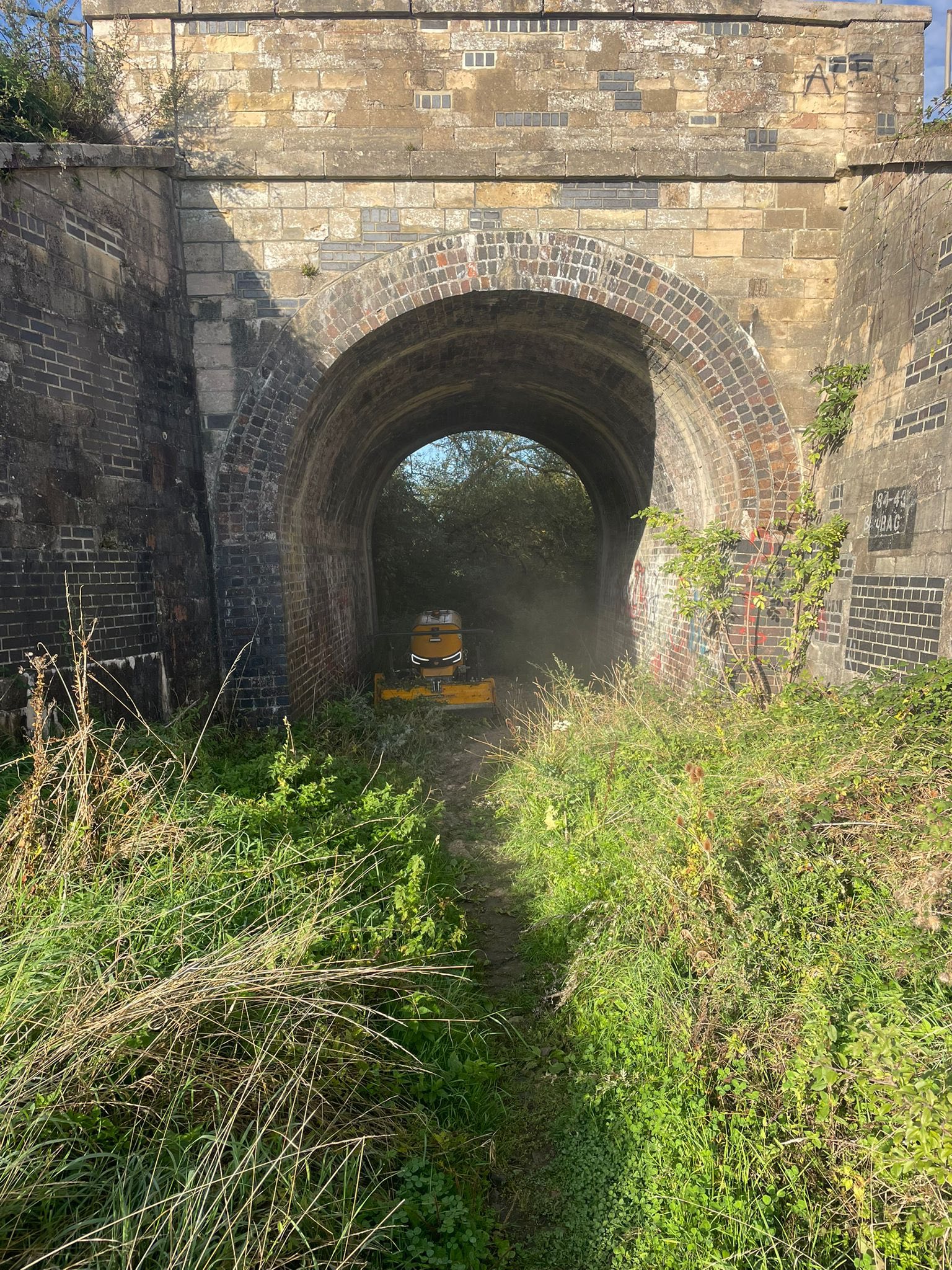
Proper Seppi mulcher out today clearing an area for ground investigation
For other examples of our scrub control/mulching work, please see here
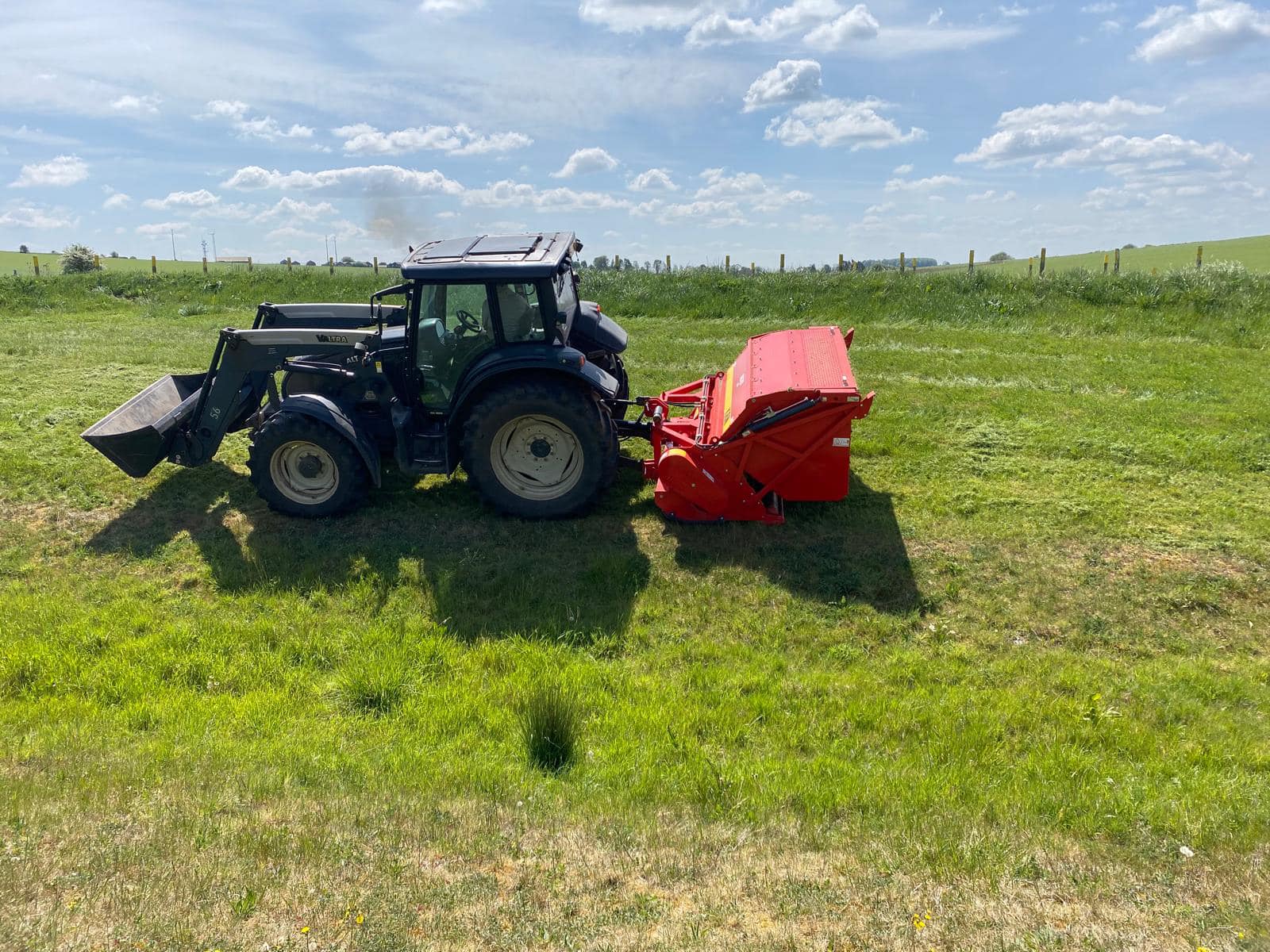
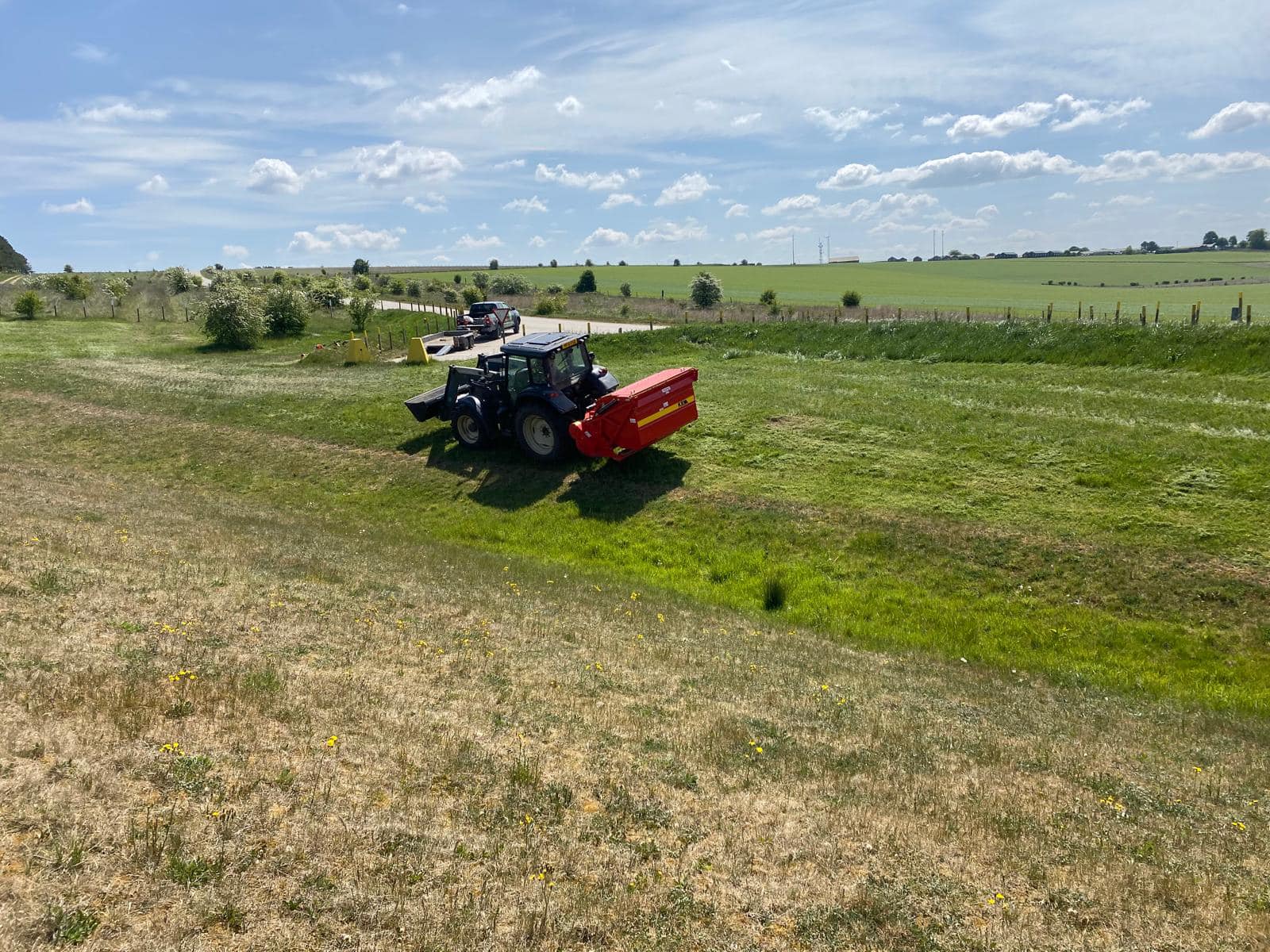
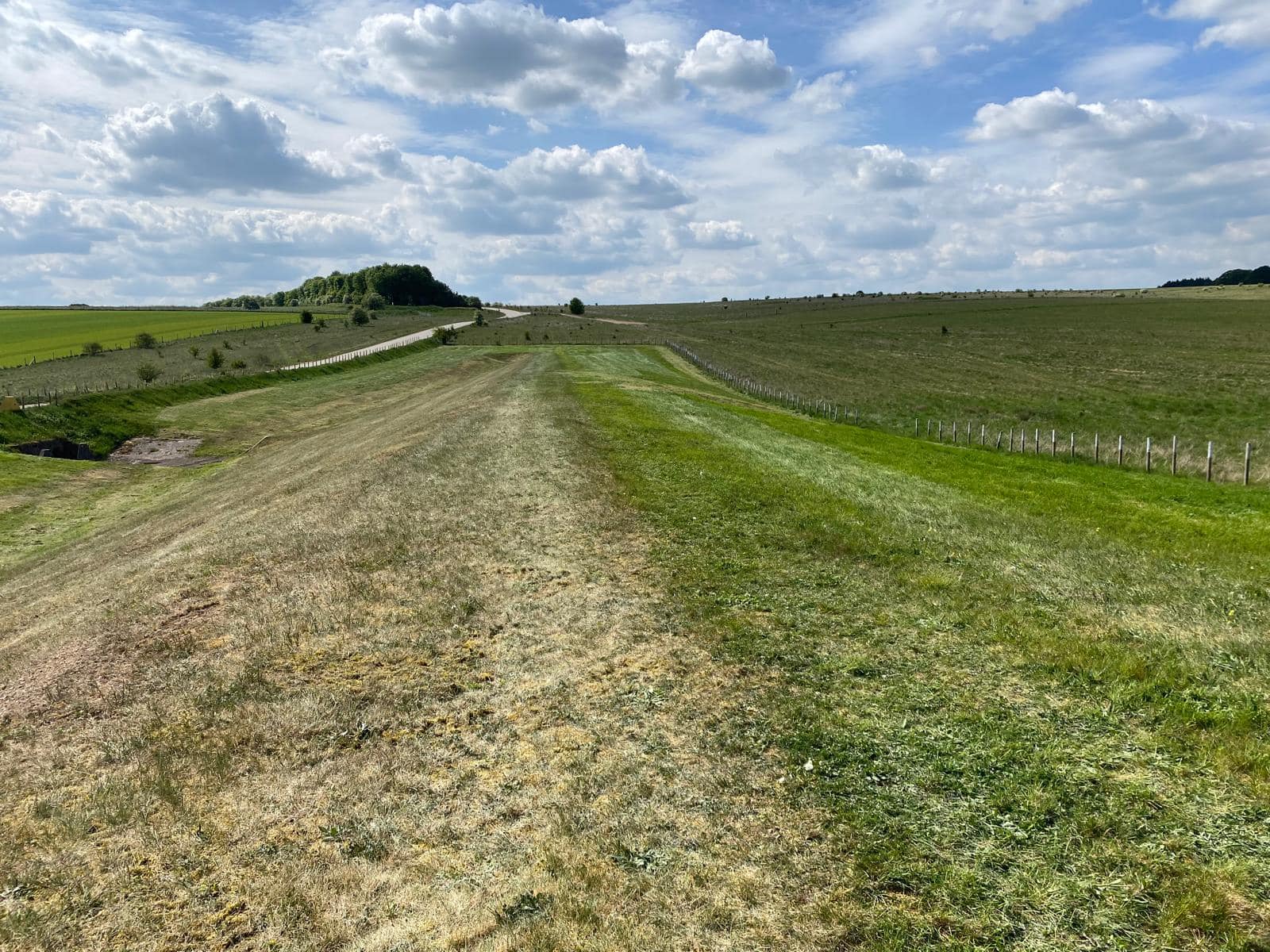
Cut and collect flail May 2025
The cut and collect flail has been out today on the chalk grassland project. The work was carried out on the edge of Salisbury Plain SSSI on a small area of approx. 2 Ha – the ground was quite undulating, however !!
Our Seppi Forestry Mulcher dealing with heavy and dense vegetation
Tidy Friday: mulching an area next to a security fence near Larkhill. Our Robo Flails are great, but the Seppi Mulcher is better here and deals with heavy and dense vegetation with ease.
An older but very efficient workhorse in our fleet, and built to last.
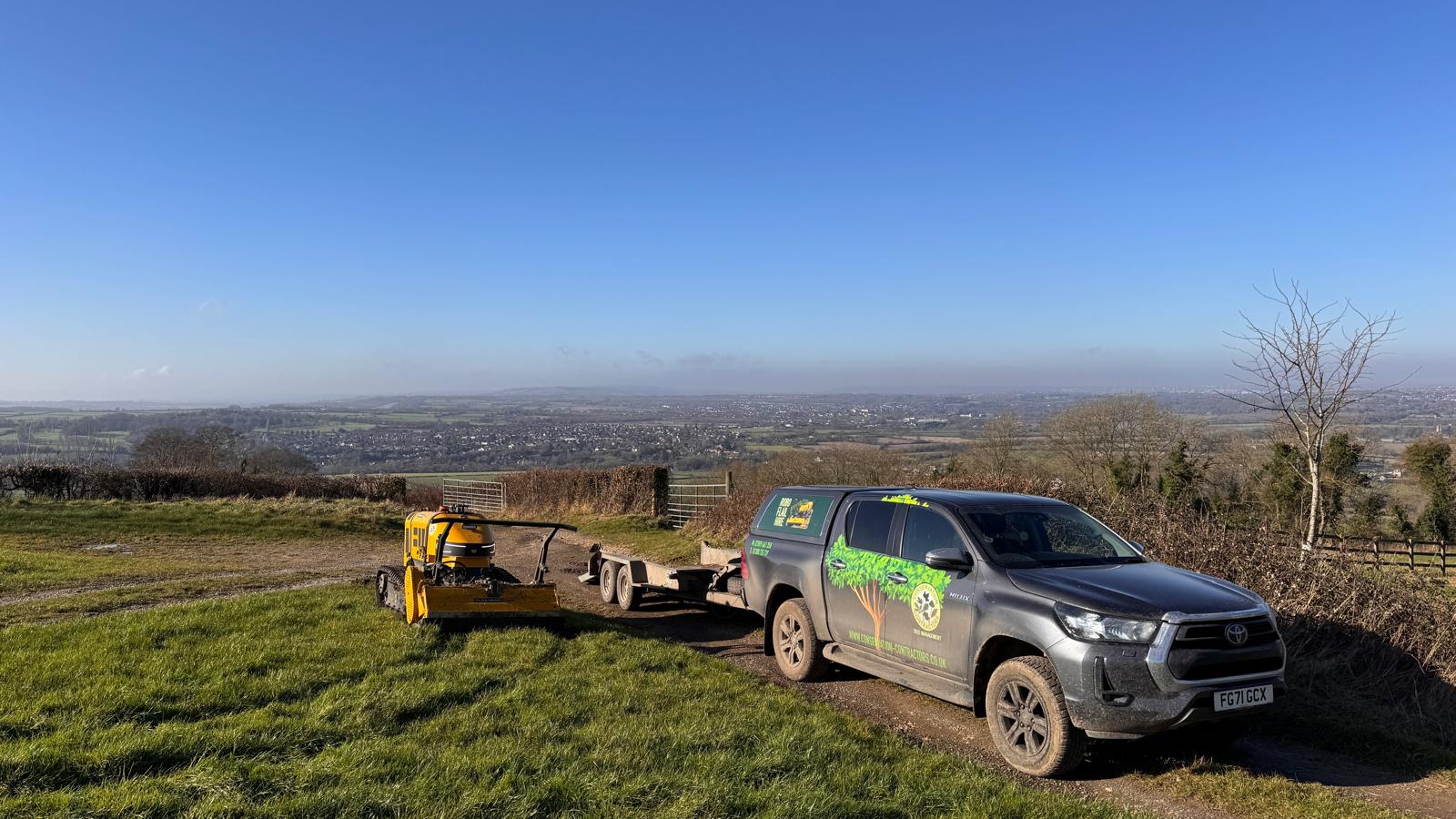
RoboFlail overlooking Bath Feb 2025
It was nice to see the sunshine yesterday; Tad was out with the RoboFlail overlooking Bath, to clear some large bramble.
7th Feb 2025